
 Get A Quote
BLOG
CONTACTUS


6 Major Quality Tests for DC Motors in Pinghao
In Pinghao, qualified DC motors have passed six major tests.
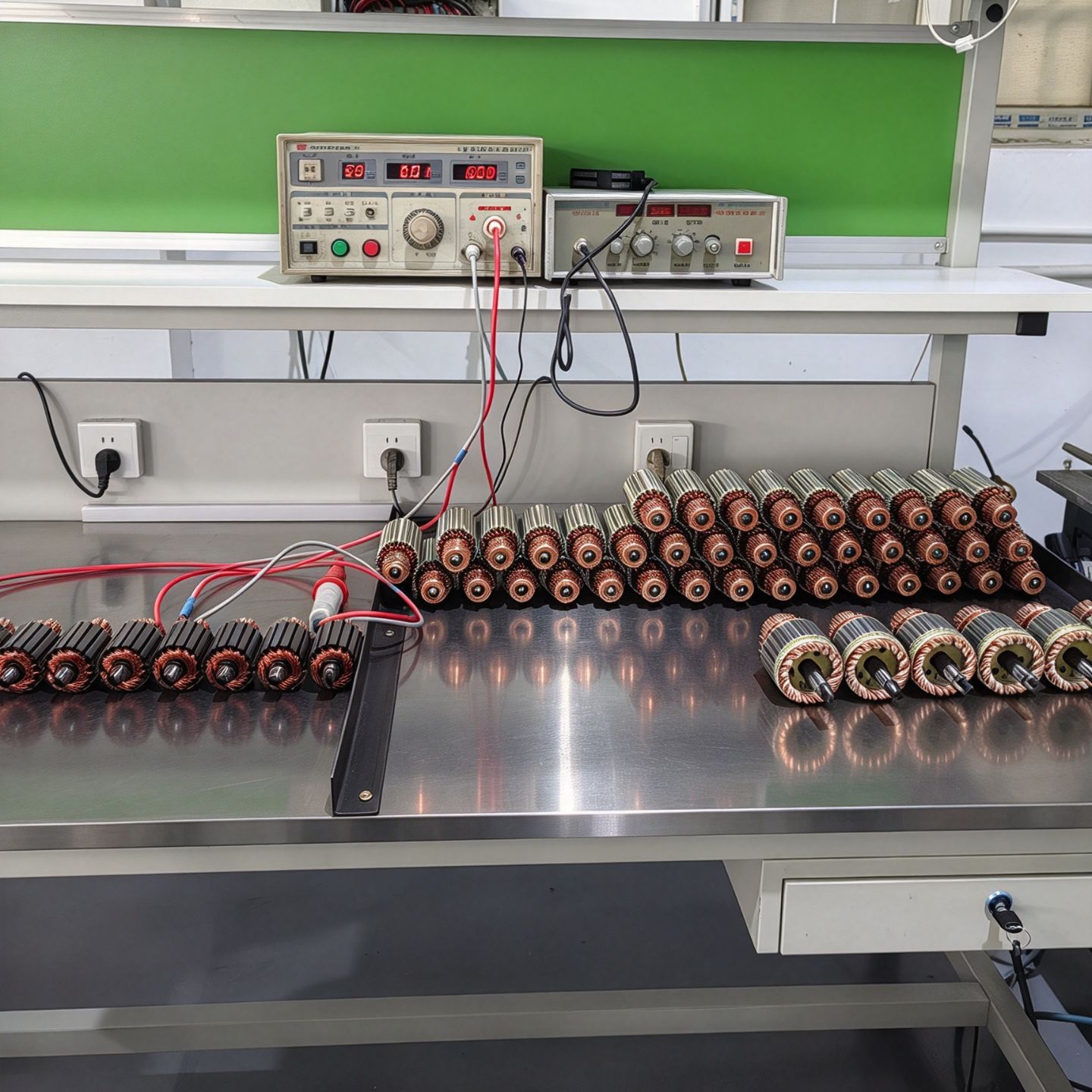
Rotor Short-Circuit Test
The rotor short-circuit test detects abnormal electrical connections between turns, layers, or adjacent conductors in the rotor winding. If a short circuit exists, the rotor current distribution becomes unbalanced, causing local overheating, reduced torque, difficult starting, abnormally high operating current, and possible winding damage. This test is usually carried out after the insulation measures are applied and the rotor is fully assembled. It focuses on damaged insulation, winding defects, poor welding, and slot insulation faults. By identifying defective rotors before assembly, the test prevents problems from moving to later stages, reduces rework, and improves motor stability and service life.
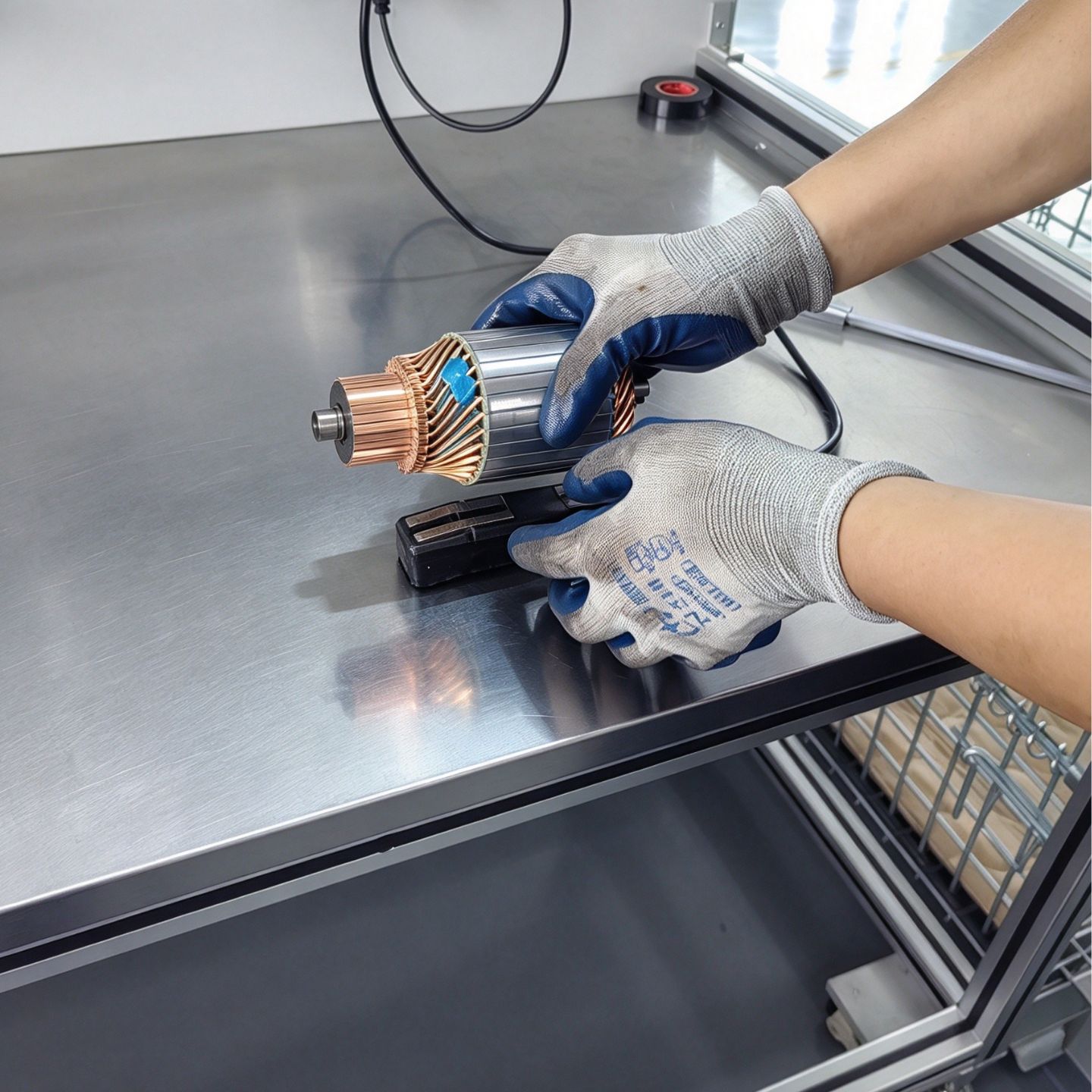
Rotor Insulation Leakage Test
The rotor insulation leakage test checks the insulation condition between the rotor winding and the rotor core, shaft, or housing. Poor insulation may cause increased leakage current, low insulation resistance, or dielectric breakdown, creating shock hazards, control faults, or early motor failure. This test mainly identifies aged insulation, scratched windings, insufficient impregnation, moisture absorption, foreign material, and assembly damage. By confirming adequate insulation strength, it ensures that the rotor can operate safely under rated voltage and demanding conditions, and provides a reliable insulation basis for final factory testing.
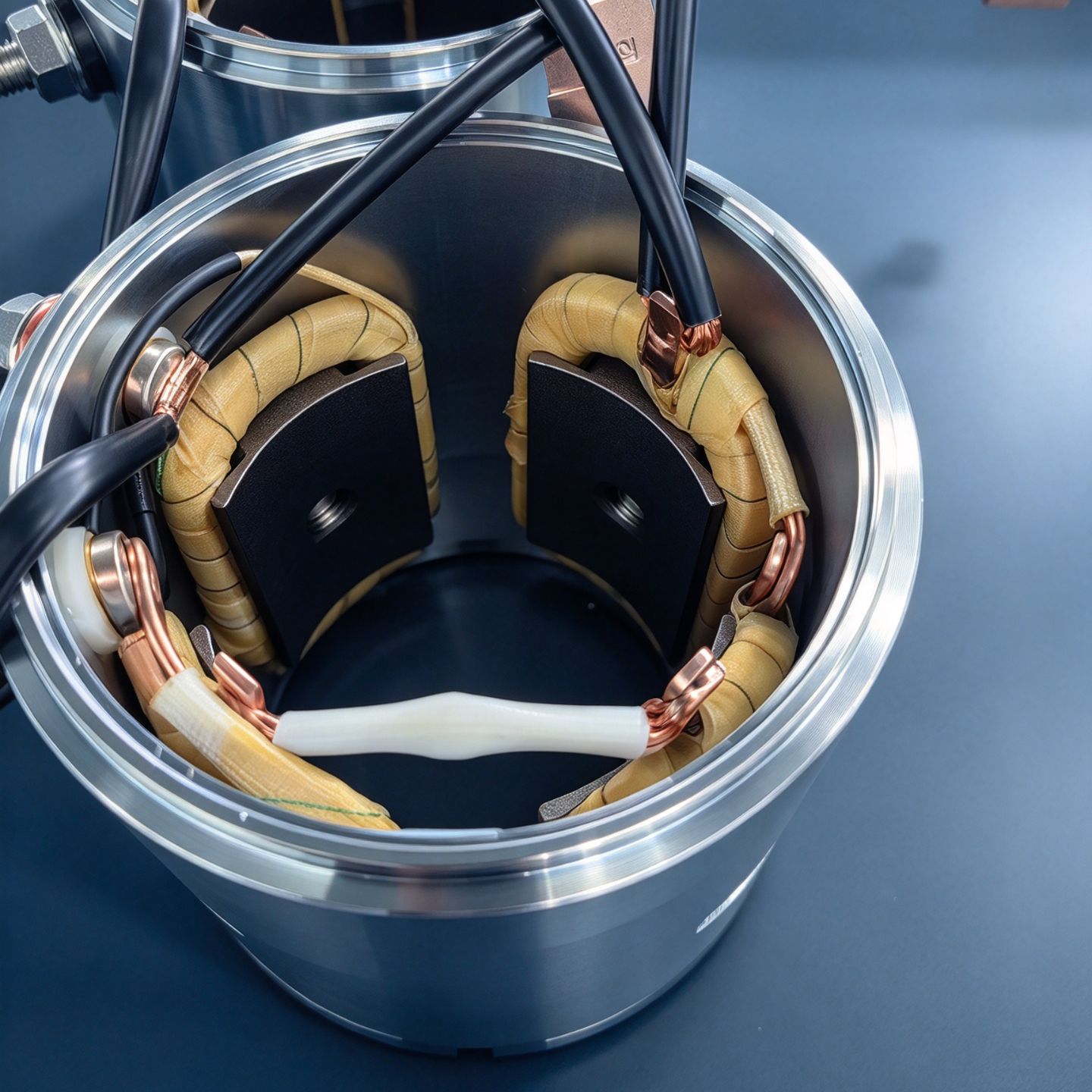
Stator Short-Circuit Test
The stator short-circuit test detects turn-to-turn shorts, phase-to-phase shorts, or abnormal local conduction inside the stator winding. A stator short circuit can cause unbalanced three-phase current, faster temperature rise, reduced efficiency, increased vibration and noise, and, in serious cases, controller protection trips or winding burnout. The test focuses on enameled wire damage during winding, slot insulation defects, end-winding deformation damage, poor welding, and foreign material causing unintended electrical contact. By identifying stator winding risks before final assembly, it prevents overall performance loss and supports long-term, stable motor operation.
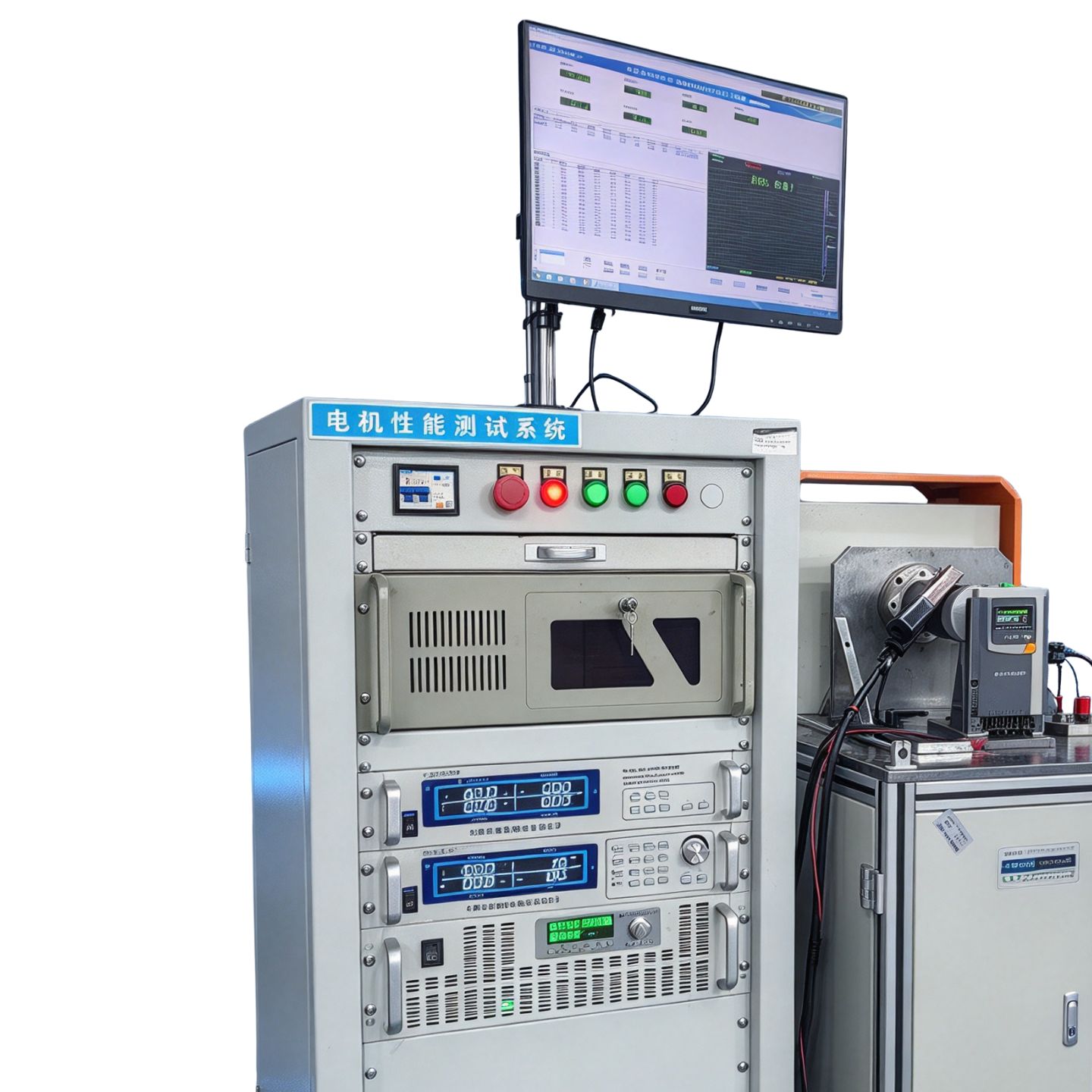
Stator Insulation Leakage Test
The stator insulation leakage test verifies the insulation reliability between the stator winding and the stator core or motor housing. If stator insulation is insufficient, the motor may show excessive leakage current, reduced insulation resistance, failed high-potential tests, or even energized housing and safety hazards. The test mainly detects damaged insulation paper, impregnation voids, moisture in windings, slot-edge wear, terminal contamination, and insulation defects caused by assembly compression. By confirming that the stator insulation system meets safety standards and application requirements, it is especially important for motors requiring high reliability, moisture resistance, or long-term continuous operation.
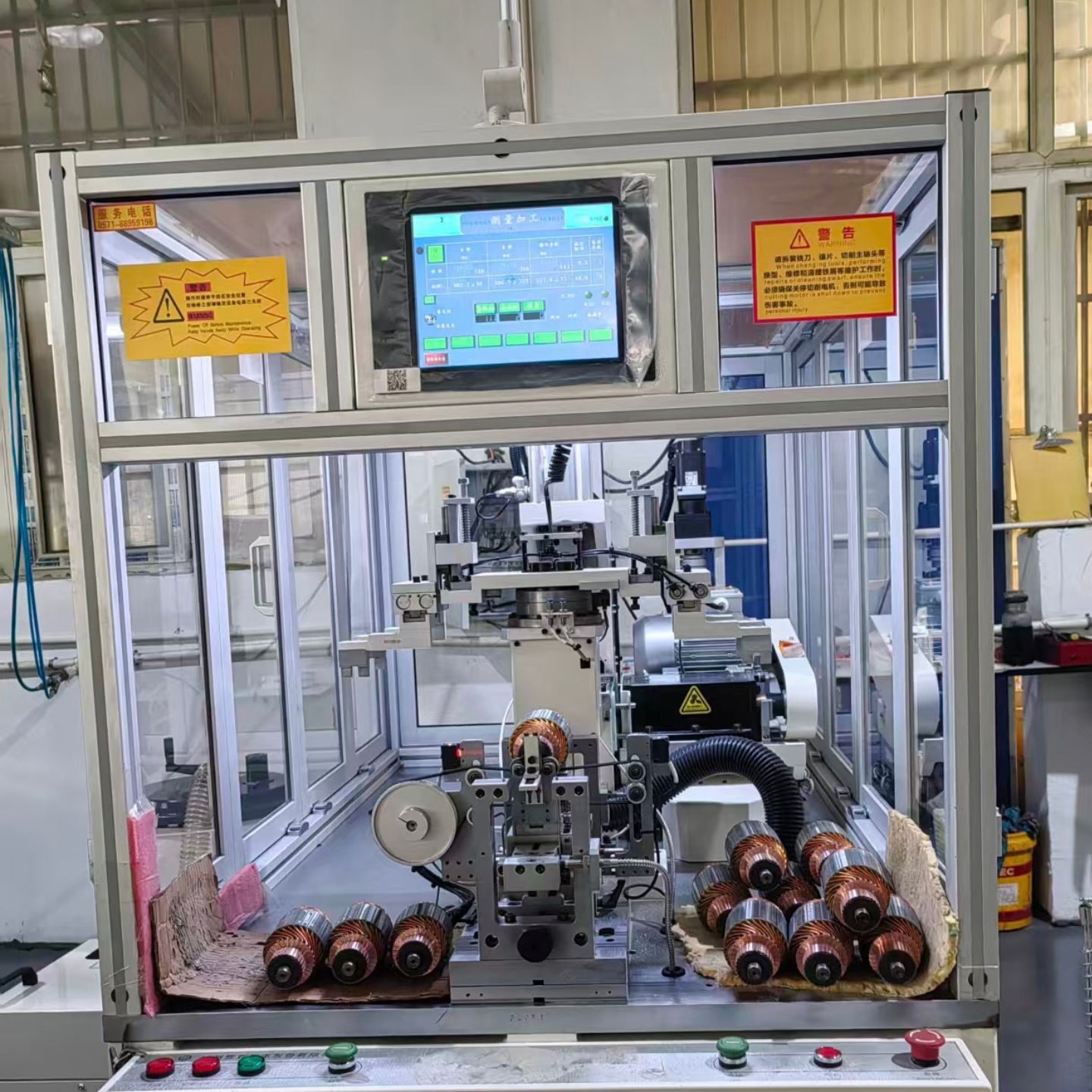
Rotor Dynamic Balancing
Rotor dynamic balancing detects and corrects uneven mass distribution during rotation. Even when the rotor’s dimensions are acceptable, an offset between the mass center and the axis of rotation generates centrifugal force, causing vibration, noise, bearing wear, and reduced service life. The process mainly identifies casting porosity, uneven material density, machining deviations, asymmetrical assembly, and imbalance from keyways or fans. Dynamic balancing reduces residual unbalance to an acceptable range, ensuring smoother high-speed operation. It is not a concentricity test, but it works together with rotor geometric accuracy to determine overall vibration performance.
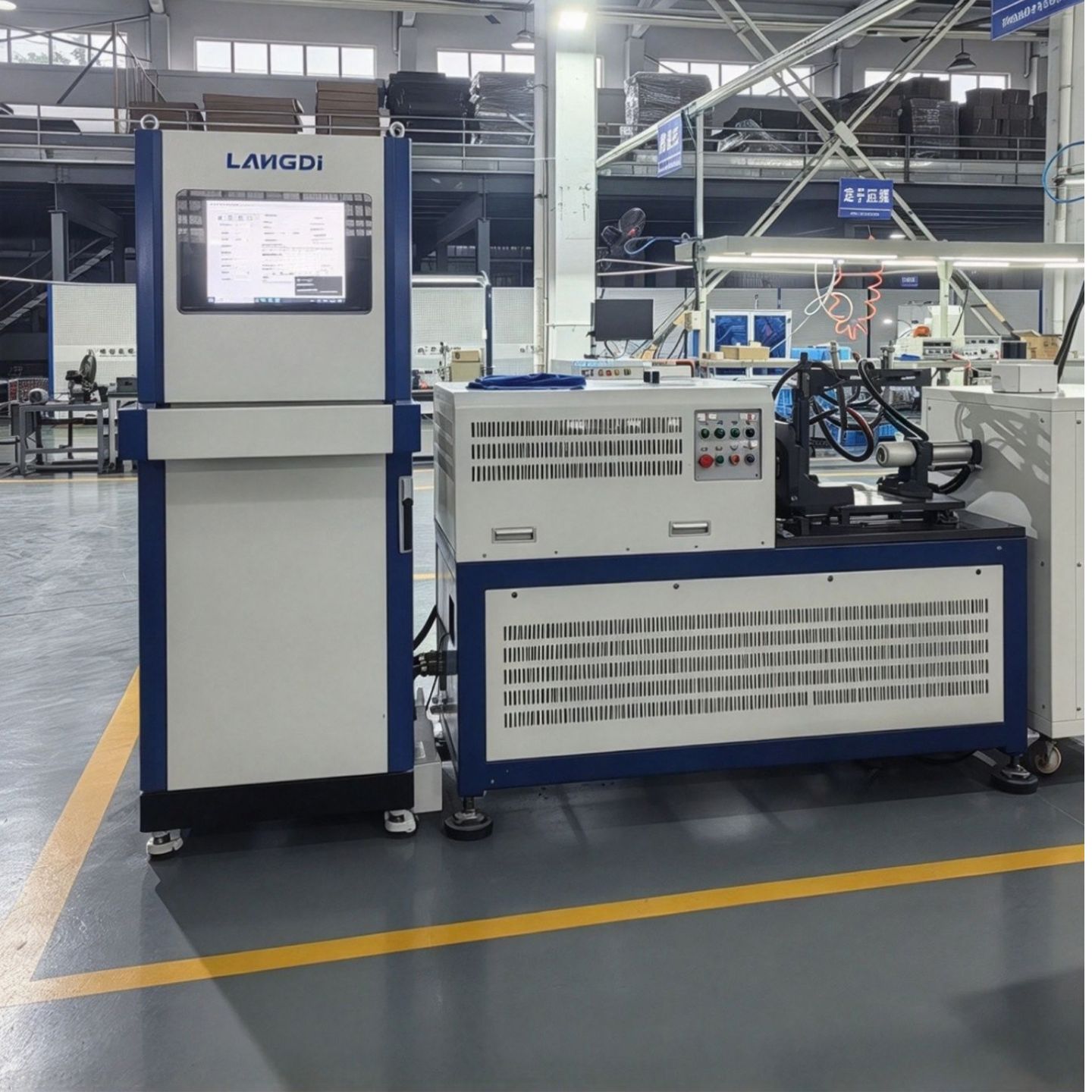
Factory Acceptance Testing
Factory acceptance testing is the final comprehensive verification before motor delivery, confirming that the complete unit meets design requirements, customer specifications, and safety standards. The testing typically includes no-load and load tests, current and speed checks, insulation resistance measurement, high-potential testing, vibration and noise evaluation, temperature rise monitoring, and visual and wiring inspection. It mainly identifies assembly errors, winding defects, bearing abnormalities, insufficient insulation, performance deviations, and cosmetic issues. By ensuring every motor is qualified before shipment, factory testing reduces field failures, improves customer experience, and provides complete data for product quality traceability.
Click to see more detailed information on Factory Acceptance Testing.