
 Get A Quote
BLOG
CONTACTUS


A Glance of the History of DC Motors
The DC motor is one of the foundational technologies of modern industry. It converts direct current electrical energy into mechanical energy, providing reliable rotational power for everything from small household appliances to heavy industrial machinery. Its development spans more than two centuries, evolving from simple laboratory experiments into the precision electromechanical devices used in manufacturing, automation, robotics, and medical equipment today.
The story of the DC motor begins in the early 19th century, when scientists first began exploring the relationship between electricity and magnetism. In 1820, Danish physicist Hans Christian Ørsted discovered that an electric current could deflect a magnetic needle, proving for the first time that electricity and magnetism were connected. This discovery opened the door to a new field of science: electromagnetism.
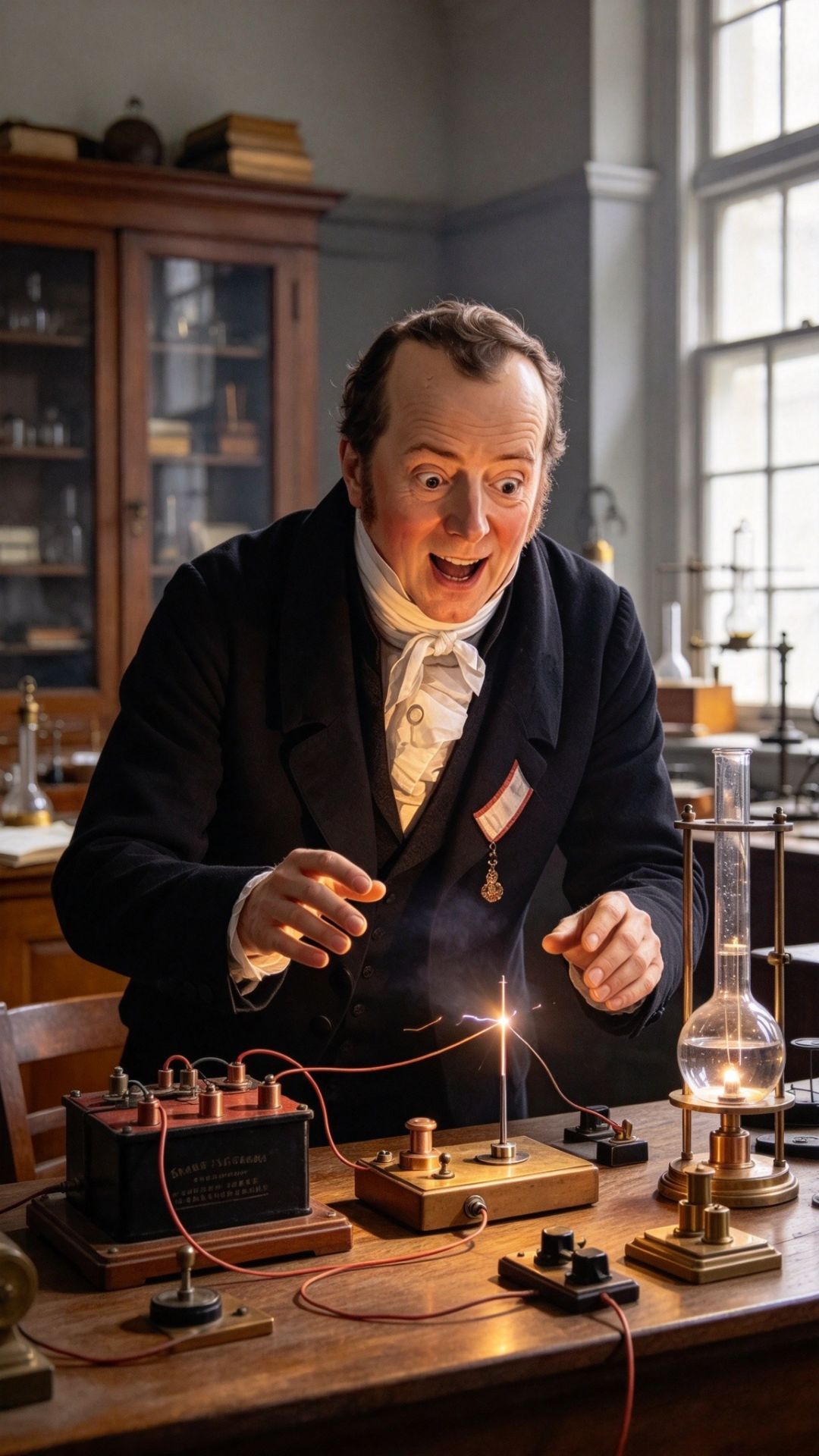
One year later, in 1821, British scientist Michael Faraday created the first experimental device that demonstrated the conversion of electrical energy into continuous mechanical motion. His apparatus consisted of a wire suspended above a pool of mercury with a permanent magnet placed at the center. When current passed through the wire, it rotated continuously around the magnet. Although this device produced very little useful power and was more of a scientific demonstration than a practical machine, it proved a revolutionary idea: electricity could produce continuous rotary motion. This is widely regarded as the earliest prototype of an electric motor.
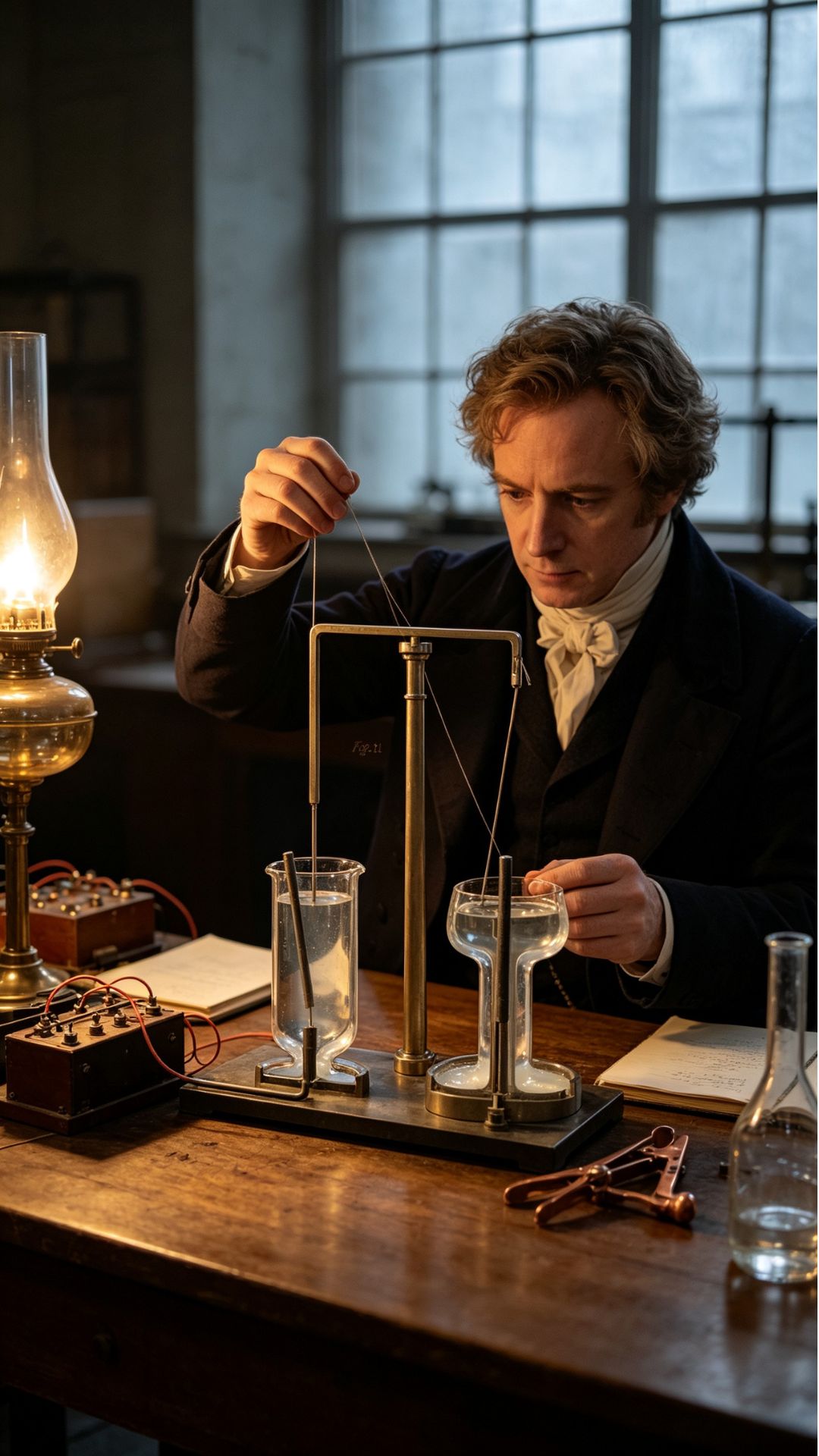
Throughout the 1830s, several inventors built on Faraday’s work. In 1832, British scientist William Sturgeon developed a rotating DC motor equipped with a commutator, a critical component that reverses the direction of current to maintain continuous rotation. Sturgeon’s motor was among the first capable of producing enough mechanical output to drive small machinery, although its power remained limited.
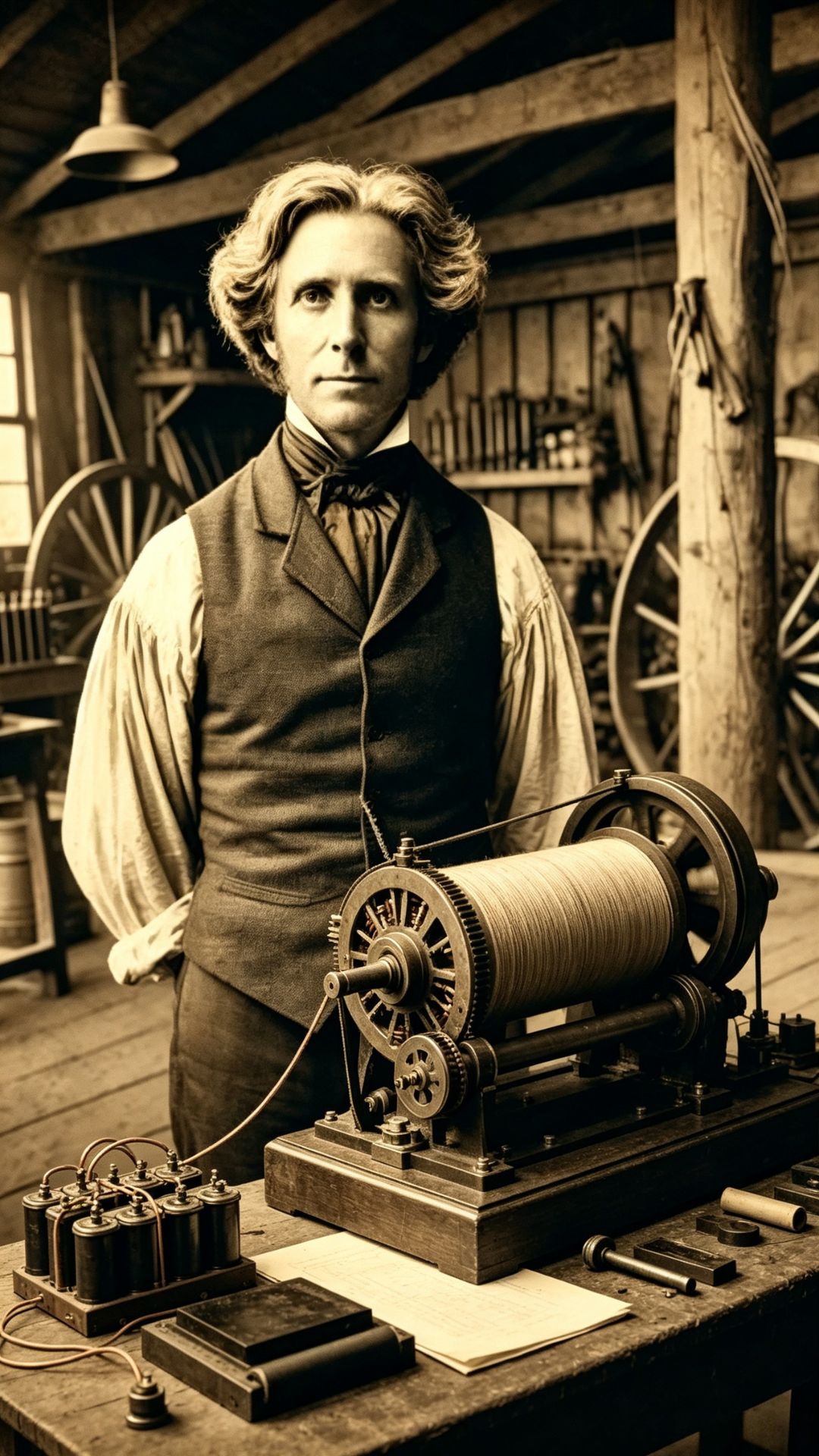
In 1834, American inventor Thomas Davenport created the first practical battery-powered DC motor. He used it to drive a small printing press, marking one of the first times an electric motor was applied to a real mechanical task. In 1837, Davenport received the first United States patent for an electric motor. However, his invention faced a major obstacle: the high cost of battery power at the time made it commercially unviable. Despite its technical success, the motor could not compete with steam power in industrial settings.
Around the same period, Russian engineer Moritz von Jacobi also made significant contributions. In 1834, he built a powerful rotating DC motor, and by 1838 he had improved it enough to power a boat carrying fourteen passengers on the Neva River in St. Petersburg. His work demonstrated that electric motors could produce meaningful mechanical output, inspiring further development across Europe.

A major breakthrough came in 1864, when Italian inventor Antonio Pacinotti introduced the ring armature. This design arranged coils symmetrically around a ring and connected them to a commutator, producing a much smoother and more continuous current output. The ring armature became a crucial element in later DC motor designs, greatly improving efficiency and reliability.
The 1870s marked a turning point for DC motors. Belgian engineer Zénobe Gramme improved Pacinotti’s ring armature design and developed the Gramme machine, which could function both as a generator and as a motor. This proved the reversibility principle of electric machines: the same device could convert mechanical energy into electricity, or electricity into mechanical energy. The Gramme machine became the first commercially successful DC motor and helped establish the foundation for industrial electrification.
During the same decade, German engineer Hefner-Alteneck introduced the drum armature in 1872, replacing the ring armature with a more efficient winding arrangement. This design improved copper utilization, reduced losses, and brought DC motors closer to their modern structural form. By the 1880s, further refinements such as slotted rotors and laminated iron cores helped reduce eddy current losses and improve thermal performance.
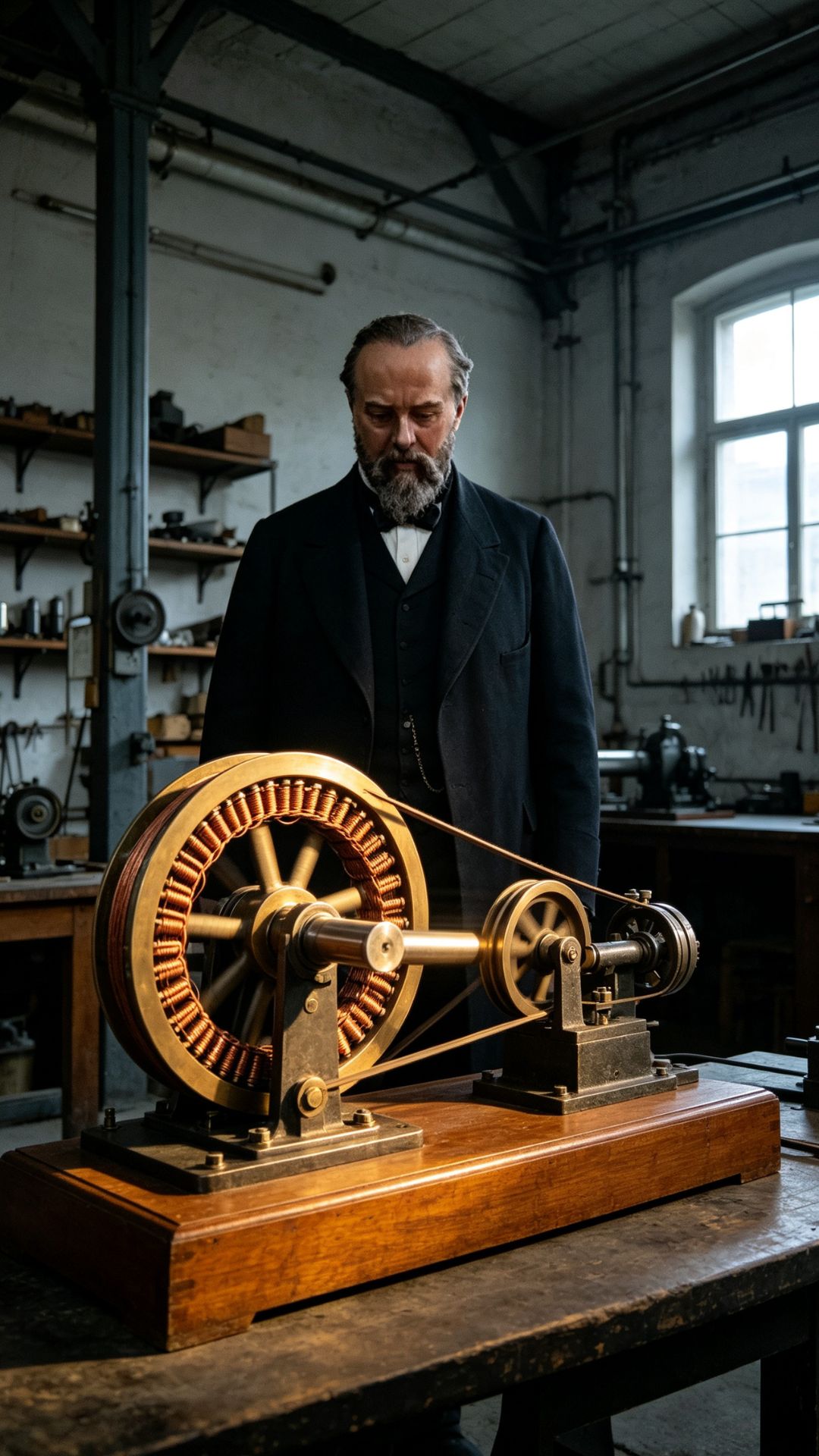
In 1886, American engineer Frank Julian Sprague invented a practical DC motor capable of maintaining constant speed under variable loads. This was a decisive advancement, because earlier motors struggled with speed instability when the load changed. Sprague’s motor enabled the widespread commercial use of DC motors, particularly in electric elevators, electric streetcars, and factory machinery. His work helped transform the DC motor from a laboratory curiosity into an industrial workhorse.
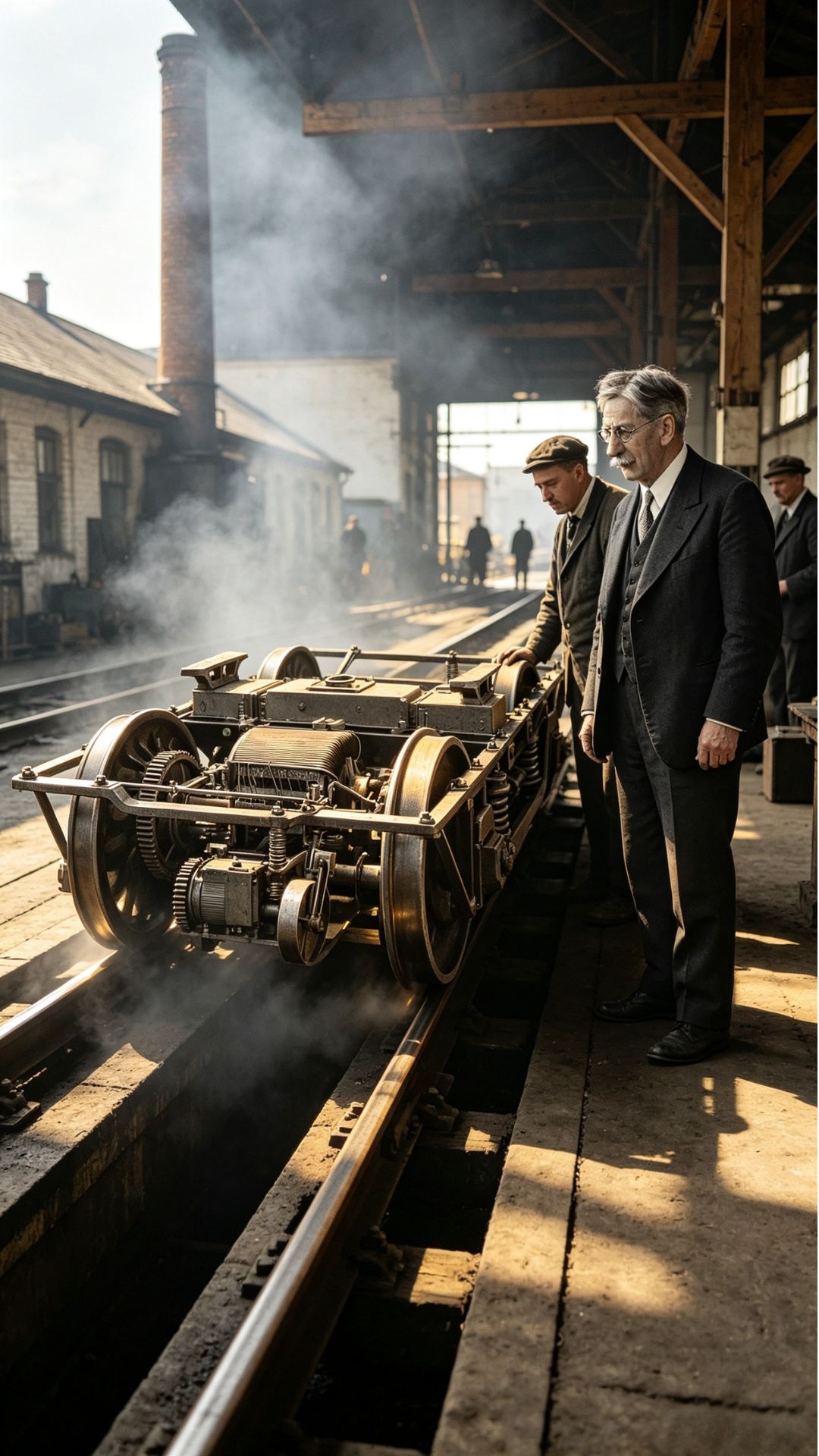
By the 1890s, the basic structure of the modern DC motor had largely taken shape, including the stator, rotor, commutator, brushes, and armature windings. DC motors played an important role in the Second Industrial Revolution, especially in applications requiring precise speed control, high starting torque, and reliable operation.
In the 20th century, DC motor technology continued to evolve. Brushed DC motors remained dominant in many industrial and consumer applications due to their simple structure, easy speed control, and strong starting torque. However, the mechanical contact between brushes and the commutator caused wear, sparking, and maintenance requirements. To address these limitations, brushless DC motors were developed in the mid-20th century. The modern brushless DC motor replaces mechanical commutation with electronic commutation, using Hall sensors or other position-detection methods to control current switching. This eliminated brush wear, reduced noise, improved efficiency, and extended service life.

Today, DC motors remain essential in many fields. Brushed DC motors are still widely used in cost-sensitive applications, educational equipment, small appliances, and precision instruments. Brushless DC motors are increasingly used in robotics, medical devices, drones, electric vehicles, CNC equipment, and industrial automation systems. At the same time, specialized DC motor designs such as coreless motors, permanent magnet DC motors, and micro gear motors continue to expand into high-precision and compact application scenarios.

From Faraday’s rotating wire in 1821 to today’s high-efficiency brushless systems, the DC motor has undergone nearly two hundred years of continuous improvement. Its history reflects not only the progress of electromagnetic theory and materials science, but also the broader transformation of industry from steam power to electrical automation. As manufacturing becomes more intelligent and energy-efficient, DC motors will continue to play an important role in modern mechanical and electrical systems.
Standing on the shoulders of scientific giants, Pinghao has spent nearly 30 years perfecting the art of DC motor manufacturing. Our 8 million high-reliability motors are now powering industries across the globe.