 Get A Quote
Blog
CONTACTUS


Lightning in the Hands of a Genius: Gregor and the Electric Motor

Ever read a novel about electric motor?
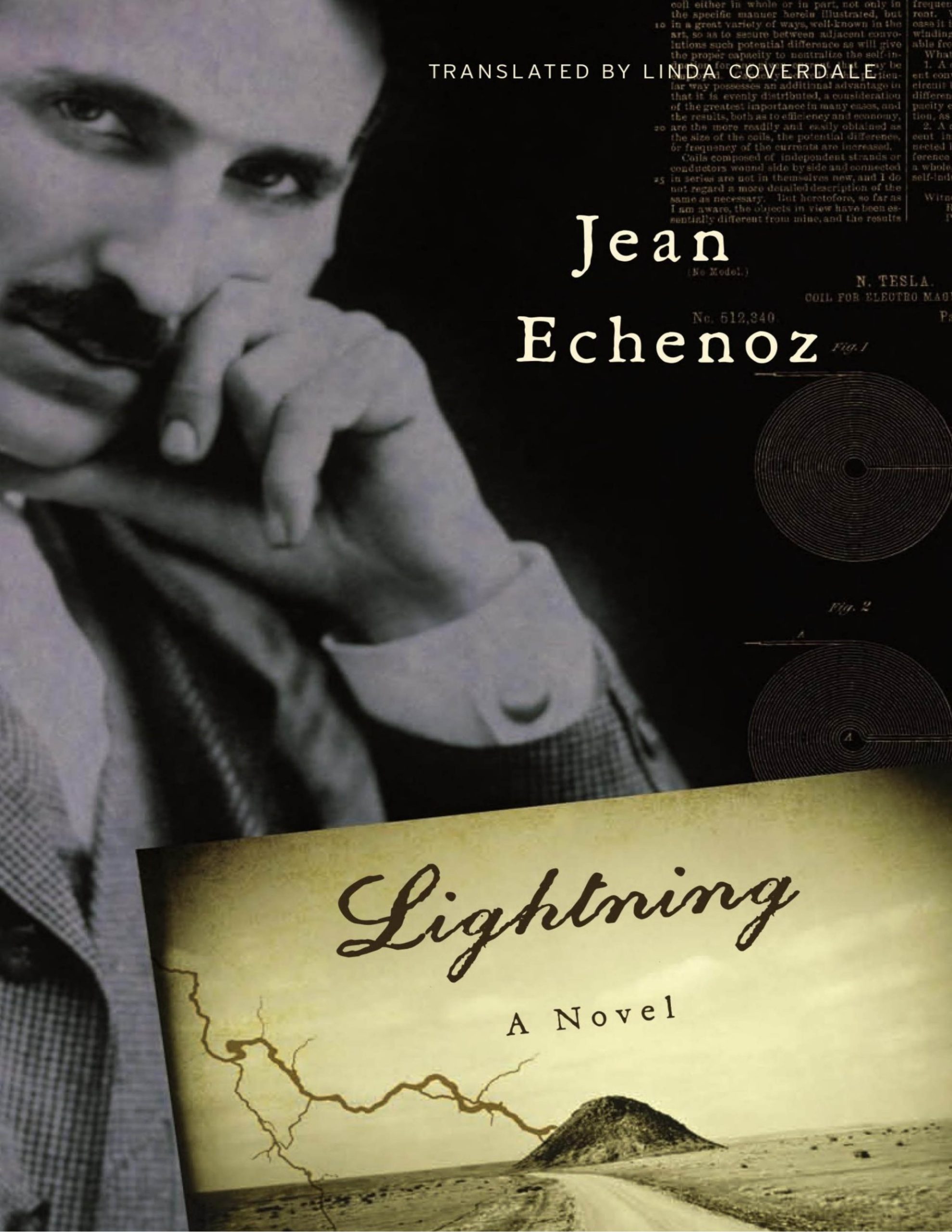
Jean Echenoz is a French novelist born in 1947, known for his spare, ironic style and his biographical fictions about extraordinary figures such as the runner Emil Zátopek and the pianist Glenn Gould. Lightning, published in French as Deséclairs in 2010 and in English translation in 2011, is his novel about Nikola Tesla, reimagined here as the fictional inventor Gregor.
In Lightning, Gregor is not presented as a businessman, a politician, or a romantic hero first; he is a man whose mind seems to belong to electricity itself. The novel follows his rise, his wanderings, and his gradual disappearance into the margins of history, but its most memorable moments are those in which Gregor stands beside his machines, especially his electric motors, and makes invisible forces obey him.
The most striking scenes occur in laboratories and exhibition halls, where Gregor’s inventions are no longer abstract theories but living demonstrations. Before an audience of engineers, investors, and curious spectators, he connects coils, wires, and rotating parts with calm precision. There is little theatrical boasting in his manner. He does not need to shout; the machines speak for him. When the current flows, the motors begin to turn, and the air seems to change. The hum of electricity becomes a kind of language, and Gregor appears to understand it more naturally than ordinary speech.
One of the novel’s high points is the demonstration of alternating current. Gregor shows that electricity need not be a single, stubborn stream, but can move in waves, reverse itself, and still deliver power. To the audience, this may look like a technical experiment; to Gregor, it is almost a revelation. The rotating magnetic field becomes visible through the motion of the motor. Metal begins to spin without belts, without obvious mechanical push, as if driven by an invisible hand. In that moment, Gregor is not merely an inventor; he is a conductor of forces that most people cannot see.
Echenoz writes these scenes with a cool, restrained style, which makes them even more powerful. He does not drown the reader in sentimental praise. Instead, he describes switches, sparks, coils, and rotation with precision, allowing the wonder to emerge from the machinery itself. The electric motor becomes a symbol of modernity: clean, relentless, capable of transforming darkness into light and stillness into motion. Gregor’s genius lies in his ability to make this transformation appear inevitable, as though the motor had always been waiting for him to awaken it.
There is also a quiet intimacy between Gregor and his machines. While people disappoint him, while investors exploit him and history forgets him, the motor remains faithful to the laws he has discovered. In the workshop, surrounded by copper windings and rotating shafts, Gregor seems less lonely. The motor answers him immediately. If he calculates correctly, it turns. If he errs, it refuses. This honesty is rare in the human world of the novel, where promises are broken and fame is easily stolen.
The most luminous moments of Lightning are therefore not battles, love affairs, or public triumphs, but the instants when Gregor’s motor begins to spin and the room falls silent. In those seconds, he is at the height of his power. He has captured lightning, shaped it into current, and given it a body in steel and copper. The motor becomes his true companion, his masterpiece, and his tragedy: it proves his genius, yet the world around him often fails to recognize the man behind it.
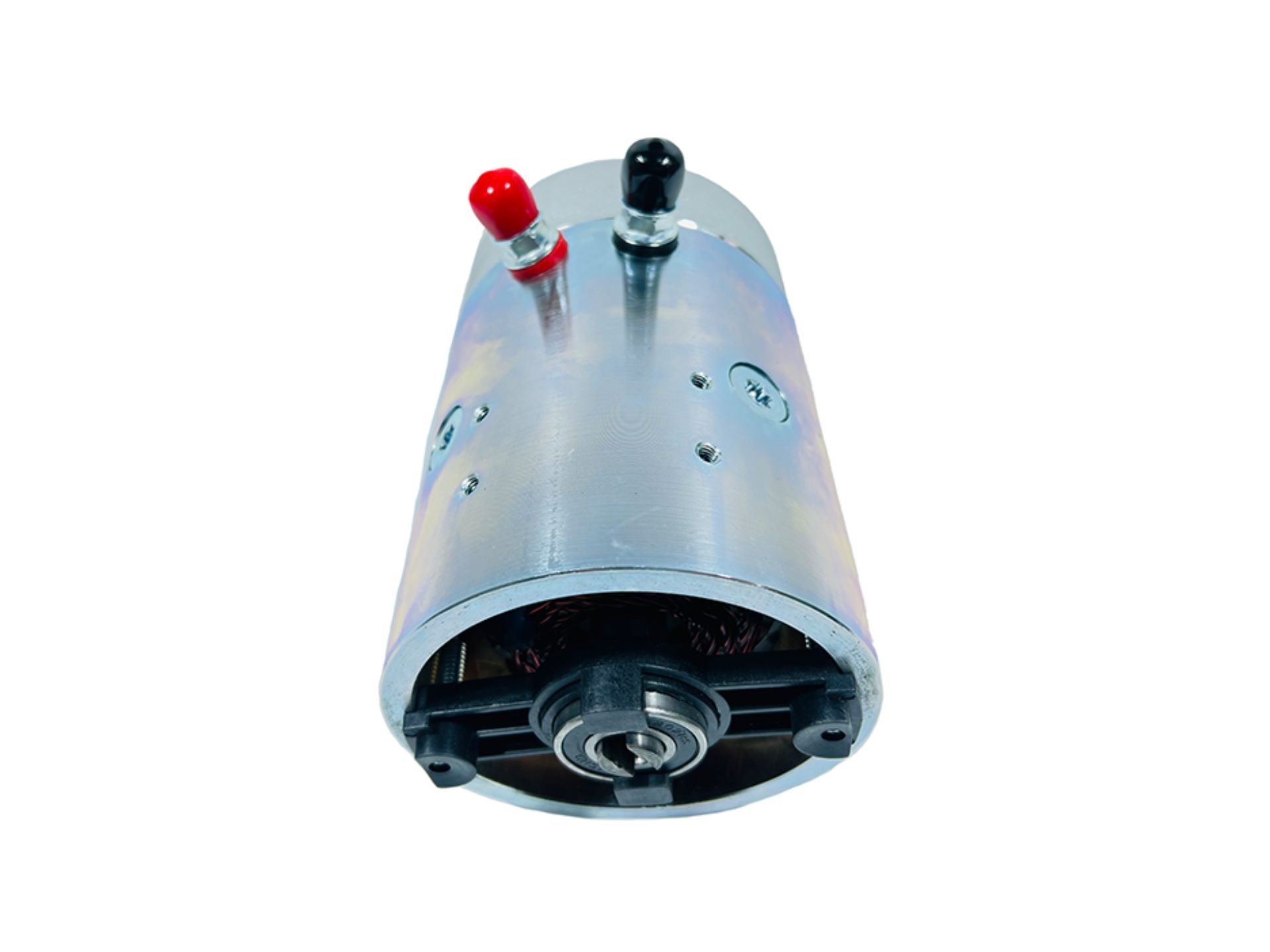
For someone who works in an electric motor factory, this novel lands in a strangely personal way. On the shop floor, a motor is not only a product; it is copper, steel, insulation, bearings, balance, testing, and countless small decisions that determine whether it will run quietly or fail under load. Reading about Gregor, one feels both pride and unease. Pride, because every working motor carries the same invisible truth that fascinated him: electricity can be made to produce motion, and motion can be made reliable. Unease, because the world often rewards sales, branding, and connections more than it rewards the people who truly understand the machine.
The novel also reminds us that electric motors are not cold objects. Behind each one there is a person who drew it, wound it, assembled it, tested it, or shipped it. Gregor’s loneliness may be extreme, but his devotion feels familiar to anyone who has stayed late to find a fault, adjusted a design after another failure, or felt a quiet satisfaction when a motor finally runs as it should. Lightning does not give easy comfort, but it gives recognition: the motor is not only a piece of industry. It is also a vessel for human intelligence, patience, and hope.